

Quick answer
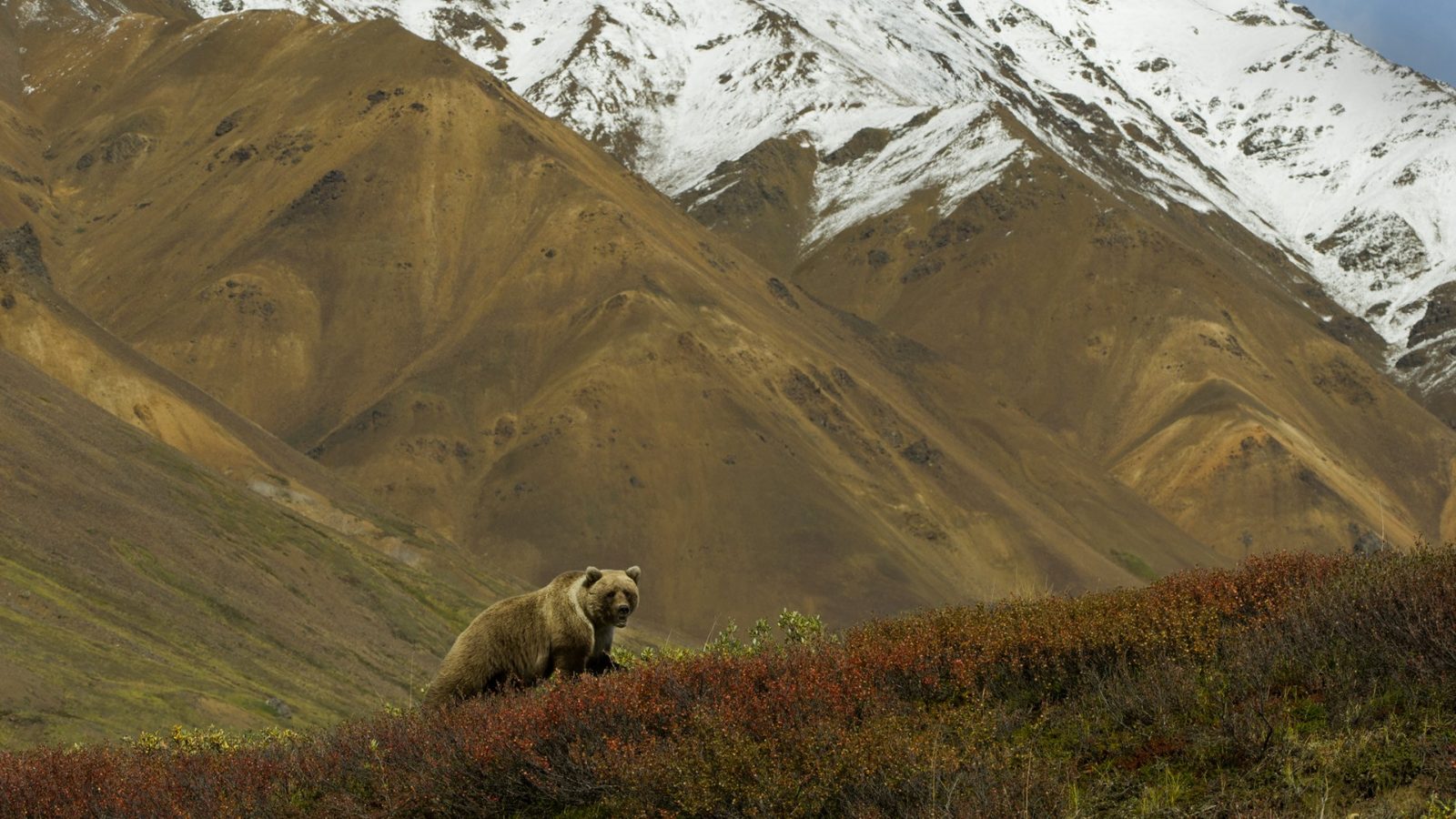
What to see in Denali National Park centers on wildlife viewing along the 92-mile Park Road and mountain perspectives of the 20,310-foot Denali massif. The park's five major habitat zones—taiga forest, tundra, alpine, glacial valleys, and river corridors—support grizzly bears, moose, caribou, wolves, and Dall sheep. Weather permitting, Wonder Lake at mile 85 offers the clearest reflections of the Alaska Range, while Polychrome Pass reveals stratified canyon walls and sweeping tundra benches.
Only thirty percent of visitors glimpse Denali's summit—the mountain creates its own weather system and remains cloud-wrapped two out of every three days. Yet the park's appeal extends far beyond the peak itself. The tundra corridor between Teklanika River and Wonder Lake holds the park's highest concentration of observable wildlife, where open sightlines stretch for miles and animals have no cover to obscure them. Grizzly bears dig for roots on hillsides, caribou herds cross broad valleys during seasonal migrations, and wolves patrol ridgelines visible from tour buses. Denali sights in the park shift with elevation and distance from the entrance. The first fifteen miles pass through boreal forest—dense spruce and aspen that limit visibility but shelter moose and occasional black bears. Beyond Savage River checkpoint at mile 15, the road climbs into alpine tundra where the landscape opens and the Alaska Range dominates the southern horizon. Polychrome Pass at mile 46 exposes rust-colored volcanic rock layers, while Thorofare Ridge and Stony Hill offer expansive overlooks of braided glacial rivers. Wonder Lake, positioned 85 miles into the backcountry, provides the park's most photographed vantage when conditions align—Denali rises 27 miles away across tundra wetlands, mirrored in still water during calm mornings. The Eielson Visitor Center at mile 66 sits closer to the mountain and includes interpretive exhibits on glaciology and geology. Muldrow Glacier, visible from Eielson, stretches 32 miles and remains one of Alaska's longest glaciers. Denali National Park attractions concentrate along the single road because off-trail travel requires backcountry permits and genuine wilderness navigation skills. Most travelers experience the park via narrated bus tours that pause for wildlife sightings and photo stops—drivers communicate animal locations by radio, creating spontaneous viewing opportunities. The park's conservation fee supports road maintenance and wildlife research; valid for seven consecutive days, it allows multiple entries to track changing weather and animal movements across different zones.
“Only thirty percent of visitors glimpse Denali's summit—the mountain creates its own weather system and remains cloud-wrapped two out of every three days.”
The Best Time for What to See in Denali National Park
The best time to experience Denali is during the summer season when park access is at its peak, specifically utilizing the recommended arrival window of 07:00–09:00. This early start minimizes crowds and maximizes the potential for clear mountain visibility and wildlife observation.
Late May to Early September
HighMild; 40°F–70°F
The primary season for full park access and bus operations. Long daylight hours allow for extended exploration.
Mid-September to Early October
ModerateCool; 25°F–50°F
The landscape shifts with autumn colors. Services begin to scale back as winter approaches.
Daily Morning Window
Low—
Arriving between 07:00–09:00 provides the best opportunity for quiet observation. Early arrivals increase the likelihood of seeing the mountain peak before afternoon cloud cover.
Verdict: For optimal conditions, plan your visit for a weekday morning between 07:00–09:00 during the core summer months of June through August.
Notable Landmarks: What to See in Denali National Park
Denali National Park features a diverse landscape ranging from low-elevation taiga forests to high-alpine tundra. These landmarks offer opportunities to observe geological formations and local wildlife.
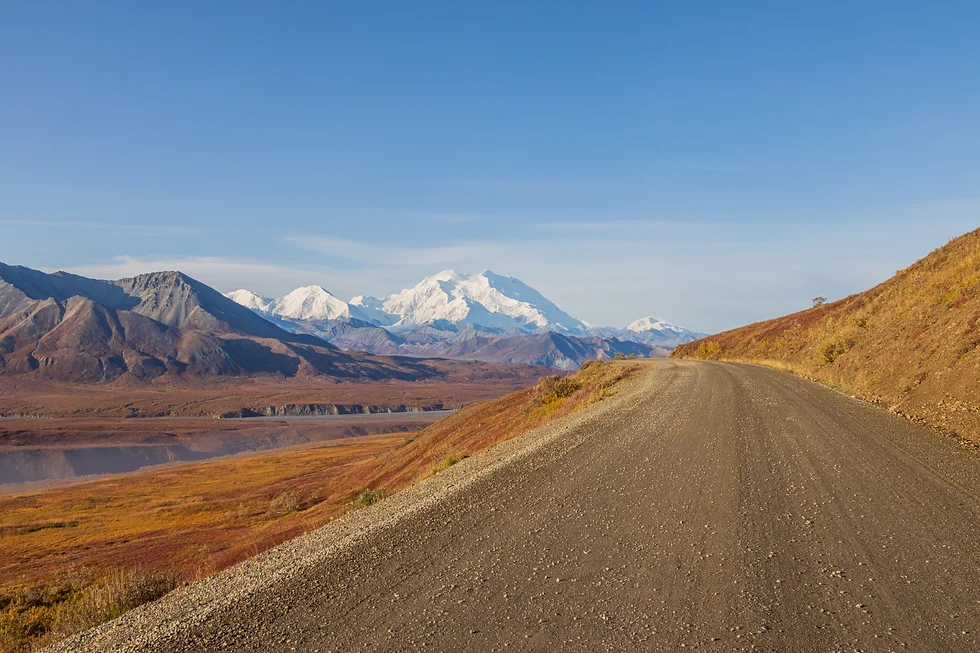
Denali Park Road
This 92-mile road serves as the primary artery through the park, providing access to diverse ecosystems and interior vistas. Travelers often spot grizzly bears, moose, and caribou along this corridor.
Bring binoculars to scan the hillsides for distant wildlife.
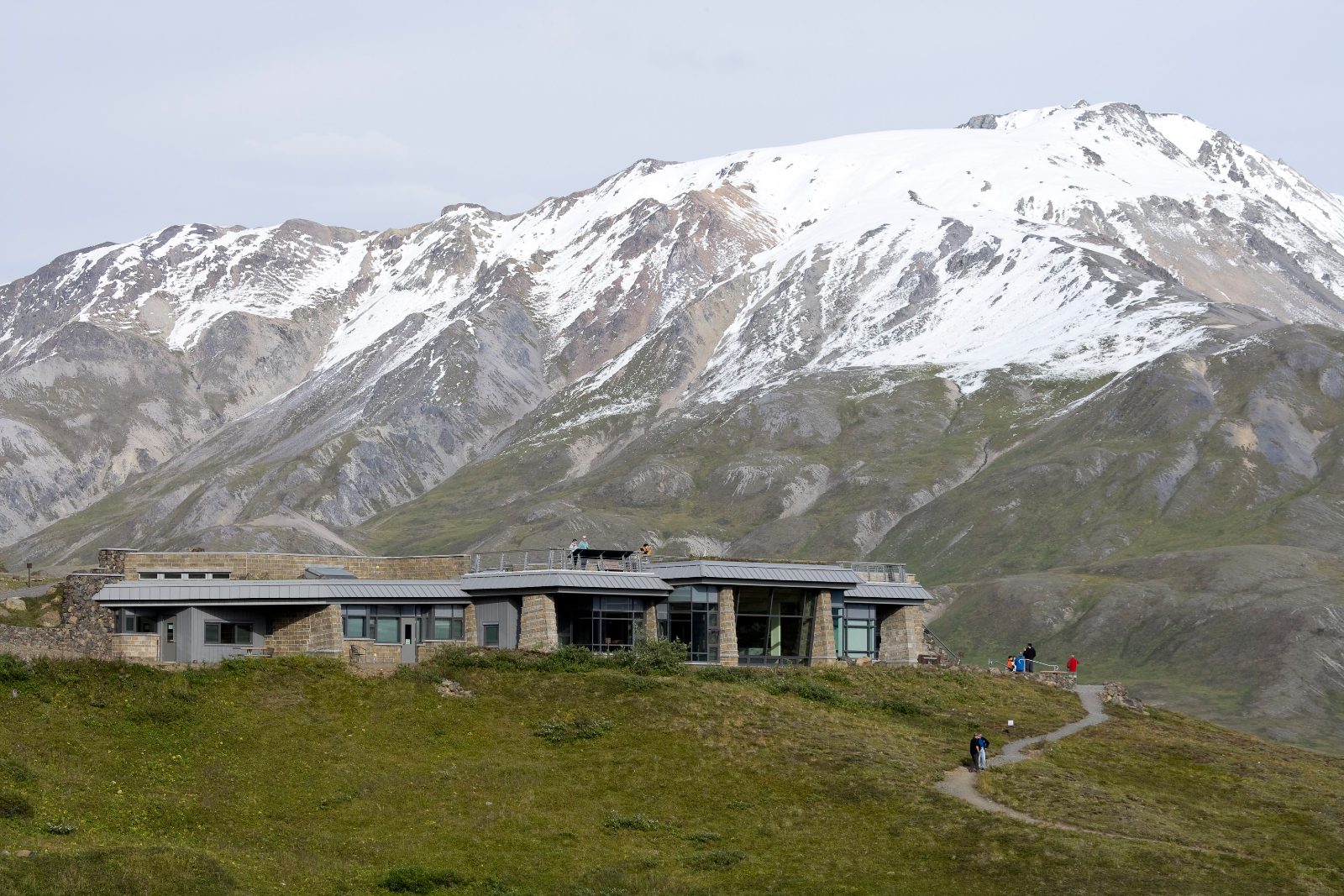
Eielson Visitor Center Area
Located at mile 66, this area provides expansive views of Denali and the surrounding Alaska Range. It serves as a central hub for hikers and those observing glacial landscapes.
Walk the nearby Tundra Loop trail for unobstructed mountain views.
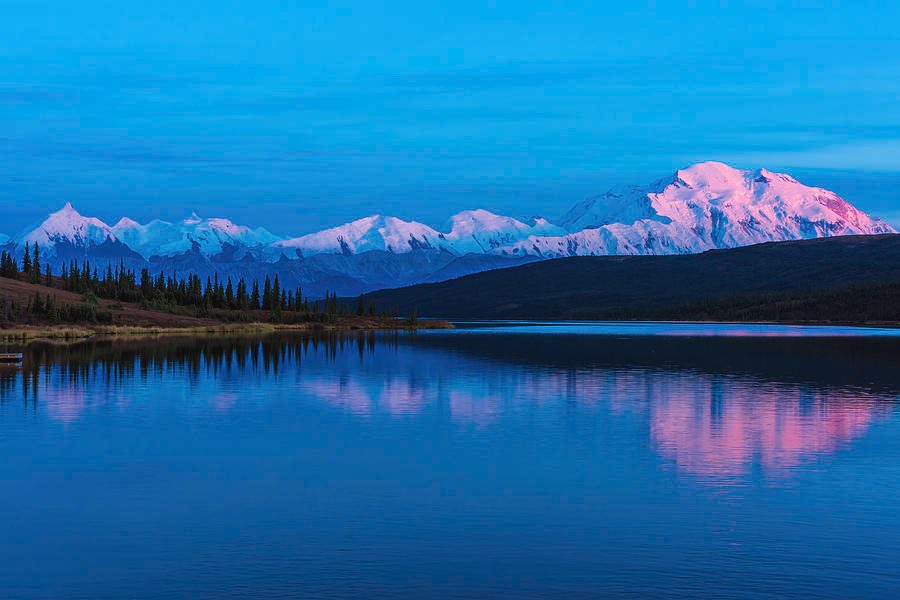
Wonder Lake
Situated near the end of the park road, this lake offers reflections of Denali on calm days. It is a location known for its mosquito population during summer months.
Visit during early morning hours for the best reflection light.
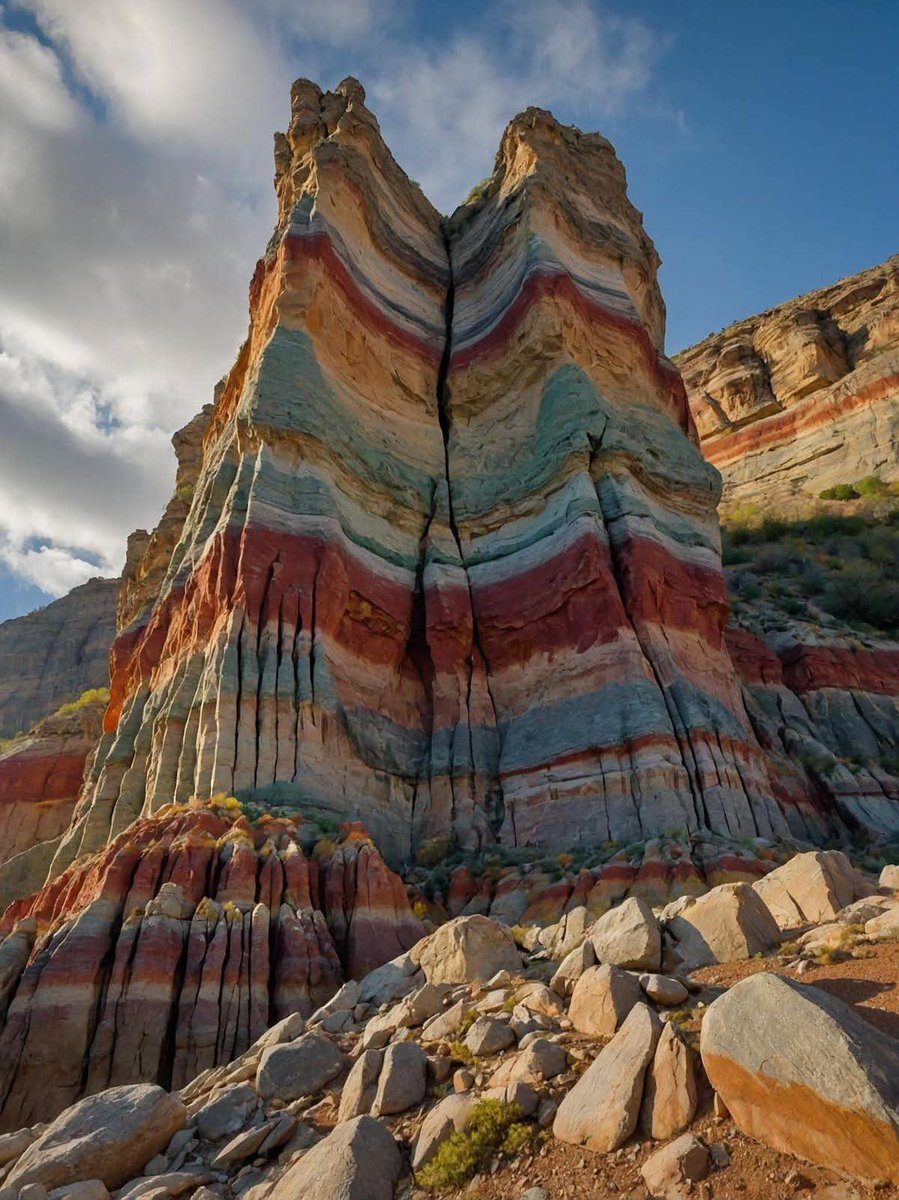
Polychrome Pass
This area is characterized by vibrant, multi-colored volcanic rocks that contrast with the surrounding landscape. The steep terrain provides a distinct geological perspective of the park.
Observe the color variations in the rock faces from the bus.
Logistics for Getting to What to See in Denali National Park
Denali National Park is located along the George Parks Highway, which serves as the primary artery connecting the park to Anchorage and Fairbanks. Most visitors reach the park entrance by driving this route or utilizing regional rail services.
George Parks Hwy to Denali National Park entrance
Alaska Railroad to Denali Depot
Park Connection Motorcoach to Denali Park
Daily Schedule: What to See in Denali National Park
Denali National Park is open to visitors 24 hours a day, seven days a week. This schedule provides consistent access for those planning their travel logistics.
| Monday | 00:00–23:59 | |
|---|---|---|
| Tuesday | 00:00–23:59 | |
| Wednesday | 00:00–23:59 | |
| Thursday | 00:00–23:59 | |
| Friday | 00:00–23:59 | |
| Saturday | 00:00–23:59 | |
| Sunday | 00:00–23:59 |
Check availability
Frequently asked questions about what to see in Denali National Park
Everything you need to know about what to see in denali national park