

Quick answer
Denali National Park weather varies dramatically by month, with the visitor season running May through mid-September. June, July, and August offer the warmest temperatures—typically 50 to 70°F during the day—but also the most rain. May and September bring cooler conditions, often in the 30s and 40s, with occasional snow and fewer daylight hours but clearer skies and autumn color or spring wildlife activity.
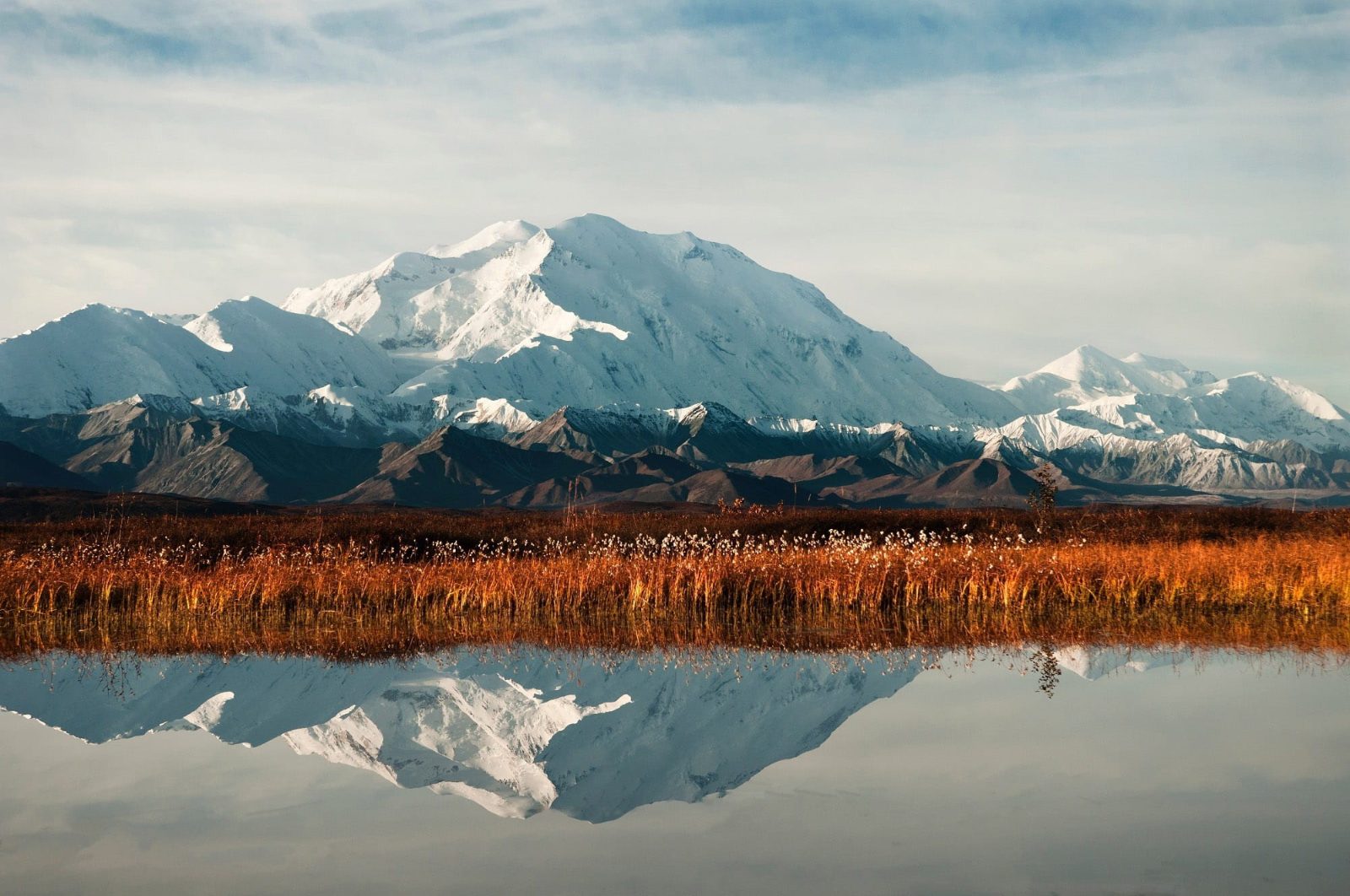
Denali sits two degrees south of the Arctic Circle, and its weather obeys subarctic rules: short summers, long winters, and rapid transitions between the two. The park's road corridor spans elevation zones from 1,700 feet at the entrance to over 3,000 feet at Eielson Visitor Center, and temperature and precipitation shift with altitude and proximity to the Alaska Range. May opens the visitor season with temperatures hovering between 30 and 50°F, snow still blanketing higher elevations, and grizzlies emerging from dens. Late May stretches daylight past twenty hours, and the tundra greens quickly. June warms into the 50s and 60s, but rain increases—this is the wettest month in many years, with afternoon showers common and the mountain hidden by clouds more often than not. July continues the wet pattern but offers the longest days and peak wildflower blooms across the tundra. August sees temperatures begin to cool, ranging from 45 to 65°F, and precipitation starts to taper. Berries ripen, and caribou move through the high country. September marks the transition to autumn: daytime highs drop into the 30s and 40s, the first hard frosts arrive, and tundra vegetation turns scarlet and gold. Snow can fall any day after mid-August, and by late September the park road closes beyond Mile 30 as winter conditions take hold. Understanding Denali National Park weather by month allows you to align your visit with your priorities—whether that's warm hiking weather, dramatic autumn color, or the clearest chances to see the summit of Denali itself. The mountain creates its own weather system, and even in summer it remains visible only about thirty percent of the time. Cooler months—especially late August and early September—statistically offer better visibility, though temperatures demand layered clothing and readiness for sudden changes. Each month trades one advantage for another, and no single window guarantees perfect conditions.
“The mountain creates its own weather system, and even in summer it remains visible only about thirty percent of the time.”
Understanding Denali National Park Weather by Month
The peak season from June through early September offers the most reliable weather and full park accessibility. During these months, temperatures typically range from 40°F to 70°F, providing the necessary conditions for flightseeing and backcountry exploration.
May and September
Moderate30°F to 55°F
Shoulder season weather is variable with potential snow and limited park bus services. These months offer lower visitor density and unique autumnal or spring landscapes
June to August
High45°F to 75°F
These months feature the longest daylight hours and warmest temperatures. All park roads and services are fully operational for visitors
October to April
Low-20°F to 30°F
Winter brings extreme cold and minimal daylight. Access is restricted and requires specialized gear for winter recreation
Daily Peak Periods
High—
Mid-day hours experience the highest visitor congestion. Following the recommended arrival window helps mitigate crowds for all activities.
Verdict: For the optimal balance of accessibility, temperate weather, and wildlife visibility, plan your visit for late June through August, arriving between 07:00 and 10:00.
Daily Operations and Denali National Park Weather by Month
Denali National Park maintains access to the park entrance area throughout the year. While the park is open daily, shifting weather patterns throughout the year affect road conditions and facility operations.
| Monday | 00:00–23:59 | |
|---|---|---|
| Tuesday | 00:00–23:59 | |
| Wednesday | 00:00–23:59 | |
| Thursday | 00:00–23:59 | |
| Friday | 00:00–23:59 | |
| Saturday | 00:00–23:59 | |
| Sunday | 00:00–23:59 |
Winter weather conditions frequently impact road accessibility beyond the headquarters area, limiting vehicle travel regardless of the park's operational status.
Reaching Denali National Park in Any Season
Denali National Park is located along the George Parks Highway. The most direct approach is by car or bus, though seasonal weather conditions significantly impact road accessibility.
George Parks Highway to Mile 237
Park Connection Motorcoach to Denali Visitor Center
Alaska Railroad to Denali Depot
Preparation Checklist Based on Denali National Park Weather by Month
Pack strategically for Denali's extreme temperature swings and rapidly changing conditions throughout the year.
-
Pack insulated layers and thermal base layers — May through September temperatures range from freezing nights to warm afternoons, requiring adaptable clothing.
-
Bring waterproof shell and rain gear — Summer months see frequent precipitation, and weather can shift from sun to rain within hours.
-
Include sun protection and sunglasses — High-altitude exposure and snow reflection intensify UV radiation year-round, especially on clear days.
-
Pack warm hat, gloves, and face protection — Even in summer, early mornings and evenings drop below freezing; winter requires full arctic gear.
-
Bring sturdy, waterproof hiking boots — Trails can be muddy in summer and icy in shoulder seasons, requiring footwear with good traction.
-
Include binoculars and camera weather protection — Wildlife viewing opportunities are best in early morning when conditions are often wet or frosty.
Check availability
Frequently asked questions about Denali seasonal conditions
Everything you need to know about denali national park weather by month